


Introducing the Provinces of Canada + Their Key Points

We are here to introduce you to the provinces of Canada. Talking about the provinces of Canada is of great importance for those considering immigration to Canada. At ExpertUP, we strive to provide all the necessary tips and guidance for those trying to navigate the path to immigration to Canada without any worries. The best first step in this journey is obtaining all the necessary information. If you still don’t know which province in Canada might be the best destination for your immigration, this article will be a complete guide for you to take a big step forward.
An Overview of Canadian Provinces
First, we will take a broad look at the provinces of Canada so you can become familiar with them. Canada is located in North America and is bordered by three major oceans: the Atlantic Ocean to the east, the Pacific Ocean to the west, and the Arctic Ocean to the north. Canada’s only land border is with the United States to the south. It is the second-largest country in the world by area. Canada has a total of 10 provinces and 3 territories. The division between provinces and territories in this country is due to political reasons. Provinces usually have their own political powers and specific immigration programs, so when immigrating to Canada, you should review the laws of each province individually. However, territories follow federal government laws, and their autonomy depends on the powers granted to them by the Canadian Parliament.
You can see the list of Canadian provinces with their capitals and populations in the table below:
| English Name | Capital | Population |
| Alberta | Edmonton | 4.6 million |
| Ontario | Toronto | 15.2 million |
| British Columbia | Victoria | 5.4 million |
| Manitoba | Winnipeg | 1.4 million |
| New Brunswick | Fredericton | 820 thousand |
| Newfoundland and Labrador | St. John’s | 528 thousand |
| Nova Scotia | Halifax | 1 million |
| Prince Edward Island | Charlottetown | 172 thousand |
| Quebec | Quebec City | 8.7 million |
| Saskatchewan | Regina | 1.2 million |
| Northwest Territories | Yellowknife | 45 thousand |
| Nunavut | Iqaluit | 40 thousand |
| Yukon | Whitehorse | 44 thousand |
Additionally, Canadian provinces are divided into five geographical regions:
| Geographical Division | Province | Official Language |
|---|---|---|
| Atlantic (East) | Newfoundland and Labrador | English |
| Prince Edward Island | English | |
| Nova Scotia | English | |
| New Brunswick | English – French | |
| Northern Regions | Nunavut | English |
| Northwest Territories | English | |
| Yukon | English | |
| West Coast | British Columbia | English |
| Central Canada | Quebec | French |
| Ontario | English | |
| Prairie Provinces | Saskatchewan | English |
| Alberta | English | |
| Manitoba | English |
Key Points About Canadian Provinces
To have a good and complete understanding of Canadian provinces, we thought it necessary to share important statistical points about these provinces. For those considering work immigration or other methods of immigration to Canada, these points can be very significant:
- Quebec is the largest province in Canada by area.
- Prince Edward Island is the smallest province in Canada.
- Ontario has the highest population among all Canadian provinces.
- Prince Edward Island has the lowest population in Canada.
- Only 3% of Canada’s population resides in its 3 territories, while 97% live in the provinces.
- Ontario, with Canada’s capital, is known as the most popular province for immigration to Canada.
- New Brunswick is the cheapest province to live in Canada.
- Ontario is the most expensive province to live in Canada.
- The highest wages among Canadian provinces are in Yukon, with a minimum wage of $16.77, followed by British Columbia with a minimum wage of $16.75.
- The lowest wage in Canada is in Saskatchewan, with a minimum wage of $13.
- Manitoba is the coldest province in Canada.
- Nova Scotia is the warmest province in Canada.
Introducing Canadian Provinces
We gave a brief overview of Canadian provinces in the previous section. Now, with the positioning of Canadian provinces for immigration, you will have a better understanding of the geographical map of this country, and you can make a more accurate choice for immigration. It’s time to have a detailed explanation of each Canadian province. Considering that each of the Canadian provinces may have different conditions in terms of income, employment opportunities, quality of life, facilities, and even living costs, the information we share with you will be very important for immigration to Canada.
In introducing the Canadian provinces for immigration, we have tried to consider such points to make your choice easier. We will also introduce the best universities in each province to provide a benchmark for evaluating their academic level.
British Columbia
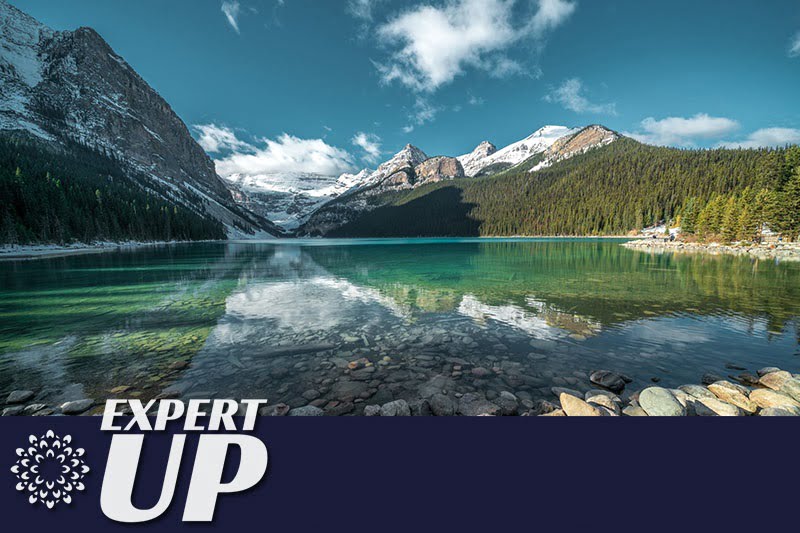
We begin introducing Canadian provinces with the westernmost province, British Columbia. British Columbia is located at the westernmost point of Canada, bordering the Pacific Ocean. This province has the mildest regions in Canada and, with its beautiful coastal islands and mountainous areas, it boasts some of the most diverse geographical attractions, making it a significant destination for foreign tourists. Skiing, boating, and cycling are among the main sports and recreational activities in this province. Victoria is the capital of British Columbia and its most important city. Other major cities include Vancouver, Whistler, and Kelowna. Victoria is known for its charming horse-drawn carriages and the famous Fairmont Empress hotel, and Whistler is a hub for winter sports in Canada.
| Province Name | British Columbia |
|---|---|
| Capital | Victoria |
| Population | 5.4 million |
| Official Language | English |
| Climate | Mild |
| Minimum Wage | $16.75 |
| Geographical Location | West |
| Major Cities | Victoria, Vancouver |
| Tourist Attractions | Rocky and sandy beaches, forests and lakes, grassy plains |
| Main Economic Sectors | Forestry, mining, filmmaking, tourism, construction, copper, coal, natural gas |
| Famous Universities | University of British Columbia, University of Victoria, Royal Roads University, Thompson Rivers University, Columbia University, Simon Fraser University |
Alberta
Alberta is one of the three prairie provinces in Canada. The Rocky Mountain ranges are located in this province. It is a destination for hiking and skiing and is the main center of the crude oil industry in Canada. If you are looking for Canada’s cowboy province, Alberta is your destination. The capital of this province is Edmonton, known for its famous shopping mall. Buffalo are the original inhabitants of Alberta, leaving a 6000-year heritage in its prairie towns. In addition to Edmonton, the cities of Calgary, Banff, and Jasper are also part of Alberta. Banff and Jasper house some of the most beautiful national parks in North America. Alberta is the fourth largest province in Canada by area.
| Province Name | Alberta |
|---|---|
| Capital | Edmonton |
Population | 4.6 million |
| Official Language | English |
| Climate | Dry continental |
| Minimum Wage | $15 |
| Geographical Location | Southwest |
| Major Cities | Edmonton, Calgary, Banff, Jasper |
| Tourist Attractions | Banff and Jasper National Parks |
| Main Economic Sectors | Oil, gas, and petrochemicals |
| Famous Universities | University of Alberta, University of Calgary, Athabasca University, Concordia University of Edmonton, King’s University, St. Mary’s University |
Saskatchewan

We continue introducing Canadian provinces by examining the conditions of Saskatchewan. This province is another prairie province in Canada. Regina and Saskatoon are the most populous areas in this province. Saskatchewan’s primary industry is agriculture, and it also has various oil and natural gas extraction mines. Saskatchewan is located between Alberta and Manitoba, making it a very accessible province. The main cities in Saskatchewan are Regina, the provincial capital, Saskatoon, and Prince Albert. Fishing and hunting are among the main outdoor activities for the people of this province. The University of Saskatchewan is also recognized as one of the most beautiful universities in Canada.
| Province Name | Saskatchewan |
|---|---|
| Capital | Regina |
| Population | 1.2 million |
| Official Language | English |
| Climate | Warm summer, cold winter |
| Minimum Wage | $13 |
| Geographical Location | Central – South |
| Major Cities | Regina, Saskatoon |
| Tourist Attractions | Vast plains |
| Main Economic Sectors | Agriculture, mining, oil and gas, hunting, fishing |
| Famous Universities | University of Saskatchewan, University of Regina |
Manitoba
To see a mother polar bear walking with her cubs, you can choose the plains of Manitoba for immigration and living. We continue introducing Canadian provinces by examining one of the most beautiful provinces, Manitoba. Artifacts left by indigenous peoples in this province date back over 6000 years. The Métis chose the geographical area of present-day Manitoba for settlement. Winnipeg is the capital, and Churchill is the most famous city in Manitoba. It is also known as the polar bear capital of the world due to its various festivals. The great winter festival and the food and culture festival are among the most attractive tourism phenomena in this province. You can also see the northern lights, also known as the Aurora Borealis, by walking in Churchill.
| Province Name | Manitoba |
|---|---|
| Capital | Winnipeg |
| Population | 1.4 million |
| Official Language | English |
| Climate | Snowy |
| Minimum Wage | $14.15 |
| Geographical Location | South – Central |
| Major Cities | Winnipeg, Churchill |
| Tourist Attractions | Northern lights, food and culture festival, winter festival |
| Main Economic Sectors | Tourism, oil and gas, mining, forestry, agriculture |
| Famous Universities | University of Manitoba, University of Winnipeg |
Ontario

We continue introducing Canadian provinces by examining another well-known province, Ontario. If you enjoy boating, Lake Ontario can be the best destination for you. Ontario is the most populous province in Canada and is also home to the country’s capital, Ottawa. Another famous Canadian city, Toronto, is also located in this province. The most beautiful and famous natural attraction in Canada, Niagara Falls, is in this province. The Bruce Trail, known as the longest hiking trail in Canada, surrounds Niagara Falls. You should never miss this beautiful nature.
Engineering students interested in seeing one of the world’s engineering marvels can visit the CN Tower in Toronto. This tower, at 1800 feet tall, is one of the most fascinating engineering phenomena in the country. Ontario shares the most borders with the United States, with states like Michigan, Minnesota, Ohio, Pennsylvania, and New York nearby.
| Province Name | Ontario |
|---|---|
| Capital | Ottawa |
| Population | 15.2 million |
| Official Language | English |
| Climate | Cold |
| Minimum Wage | $15.5 |
| Geographical Location | Southeast |
| Major Cities | Ottawa, Toronto |
| Tourist Attractions | Niagara Falls, CN Tower |
| Main Economic Sectors | Agriculture, mining, forestry |
| Famous Universities | University of Toronto, University of Waterloo, University of Windsor, University of Ottawa, Lakehead University, McMaster University, University of Guelph, Queen’s University, Western University, Carleton University, York University |
Quebec
One of the most well-known provinces in Canada due to its diverse immigration programs, Quebec is the second most populous province in the country. The official language of this province is French, and you can find much of the French heritage and culture in Quebec. The St. Lawrence River is the most well-known river in this province, around which most of the population is concentrated. Montreal and Quebec City are the two largest cities in this province along the same river. Quebec City itself is built in the European style, reminiscent of walking in European cities.
| Province Name | Quebec |
|---|---|
| Capital | Quebec City |
| Population | 8.7 million |
| Official Language | French |
| Climate | Four seasons |
| Minimum Wage | $15.25 |
| Geographical Location | East |
| Major Cities | Quebec City, Montreal |
| Tourist Attractions | St. Lawrence River, historical architecture |
| Main Economic Sectors | Energy production, mining, natural resources |
| Famous Universities | McGill University, Concordia University, Université de Montréal, Université Laval |
New Brunswick
On the eastern coast of Canada, there are three provinces next to each other, one of which is New Brunswick. New Brunswick borders Quebec. Fredericton is the capital and the most important city in New Brunswick. The Bay of Fundy, the Appalachian Mountains, the beautiful coastline, and numerous lighthouses are among the main natural attractions in this province.
| Province Name | New Brunswick |
|---|---|
| Capital | Fredericton |
| Population | 820 thousand |
| Official Language | English – French |
| Climate | Snowy winters, mild summers |
| Minimum Wage | $14.75 |
| Geographical Location | East |
| Major Cities | Fredericton, Saint John, Moncton |
| Tourist Attractions | Coastline, lighthouses, Bay of Fundy |
| Main Economic Sectors | Natural resources, wood products, forestry |
| Famous Universities | University of New Brunswick |
Nova Scotia
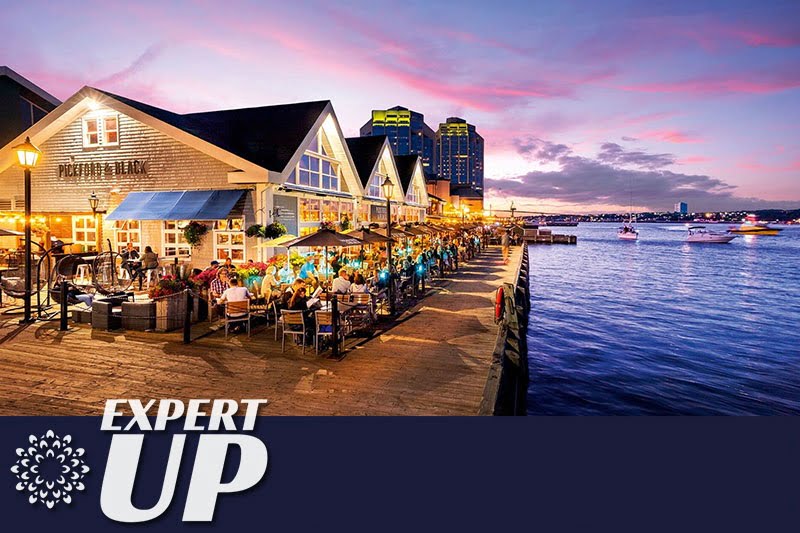
Another province of Canada is Nova Scotia. Nova Scotia ranks second in two categories. It is the second smallest province in Canada and the second most populous province in the country. Nova Scotia is another maritime province in Canada. Being bordered by the Atlantic Ocean adds much beauty to this province. Halifax is the capital, with Sydney, Wolfville, and Peggy’s Cove being the largest cities. One of the best driving routes, the Cabot Trail, is in this province, providing a very enjoyable driving experience for tourists.
In Nova Scotia, you can also see beautiful 18th-century French pieces. Seafood, like lobster, is among the most popular food choices for the people of this province.
| Province Name | Nova Scotia |
|---|---|
| Capital | Halifax |
| Population | 1 million |
| Official Language | English |
| Climate | Cold winters, mild |
| Minimum Wage | $14.5 |
| Geographical Location | East |
| Major Cities | Halifax |
| Tourist Attractions | Old forts, Atlantic Ocean coastline |
| Main Economic Sectors | Natural resources |
| Famous Universities | Dalhousie University |
Prince Edward Island
The last of the maritime provinces in Canada, Prince Edward Island, is composed of 232 small islands, making it a record holder. The largest island in this archipelago is known as Prince Edward. In terms of area, Prince Edward Island is the smallest province in Canada. The main city and capital is Charlottetown.
| Province Name | Prince Edward Island |
|---|---|
| Capital | Charlottetown |
| Population | 172 thousand |
| Official Language | English |
| Climate | Cold winters, mild summers |
| Minimum Wage | $14.5 |
| Geographical Location | East |
| Major Cities | Charlottetown |
| Tourist Attractions | Beaches |
| Main Economic Sectors | Agriculture, potatoes, tourism, fisheries |
| Famous Universities | University of Prince Edward Island |
Newfoundland and Labrador
Next, we introduce the easternmost province of Canada, Newfoundland and Labrador. This province is adjacent to the Atlantic Ocean and has many coastal beauties. The main city and capital is St. John’s, and 90% of the population of Newfoundland and Labrador resides in Newfoundland and its islands. Newfoundland and Labrador is known for its warm and friendly people, and its icebergs and Gros Morne National Park are among its natural attractions. Those interested in whale watching can also visit this province.
| Province Name | Newfoundland and Labrador |
|---|---|
| Capital | St. John’s |
| Population | 528 thousand |
| Official Language | English |
| Climate | Mild |
| Minimum Wage | $14.5 |
| Geographical Location | East |
| Major Cities | St. John’s |
| Tourist Attractions | Icebergs, Gros Morne National Park |
| Main Economic Sectors | Tourism, fishing |
| Famous Universities | Memorial University |
Yukon
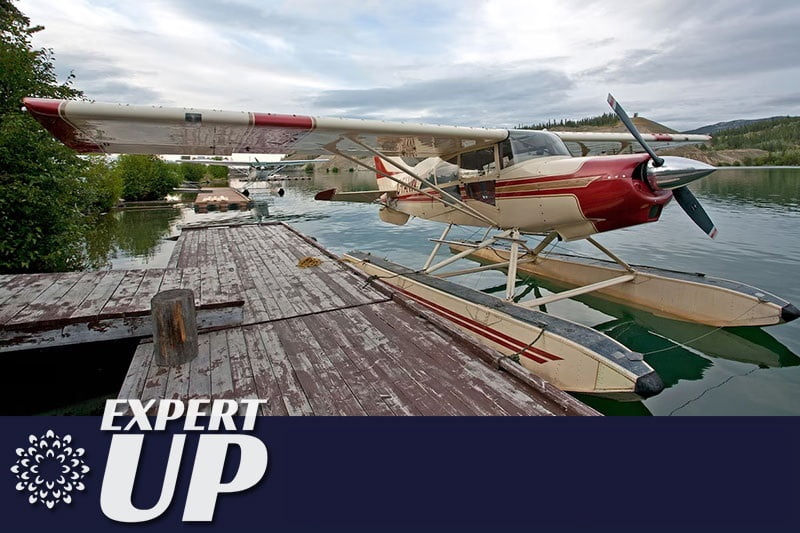
Yukon is one of the 3 territories of Canada and the smallest of them. Yukon is the westernmost territory among the three territories of Canada. It borders Alaska and has a cold climate. For viewing the northern lights, historical sites, and Mount Logan, the highest mountain in Canada, you can visit this province. You can also enjoy a lovely hike in Kluane National Park. For dog sledding, Yukon is the best province in Canada. The main center of Yukon is Whitehorse, located in the southern part.
| Province Name | Yukon |
|---|---|
| Capital | Whitehorse |
| Population | 44 thousand |
| Official Language | English |
| Climate | Cold |
| Minimum Wage | $16.77 |
| Geographical Location | Northwest |
| Major Cities | Whitehorse |
| Tourist Attractions | Historical sites, Mount Logan |
| Main Economic Sectors | Natural resources |
| Famous Universities | Yukon University |
Northwest Territories
The Northwest Territories is another territory in Canada for immigration, bordered by the Arctic Ocean and one of the three territories in this country. Among these three territories, the Northwest Territories is the most populous. Its capital is Yellowknife, known for its northern lights and the Nahanni River. If you want to witness a miracle and see the sun at midnight, you should travel to the Northwest Territories. Half of the population in the Northwest Territories is indigenous, and there are 11 official languages in this territory.
| Province Name | Northwest Territories |
|---|---|
| Capital | Yellowknife |
| Population | 45 thousand |
| Official Language | English |
| Climate | Snow and ice |
| Minimum Wage | $16.05 |
| Geographical Location | Northwest |
| Major Cities | Yellowknife |
| Tourist Attractions | Northern lights, Nahanni River |
| Main Economic Sectors | Natural resources, tourism, fishing |
| Famous Universities |
Nunavut
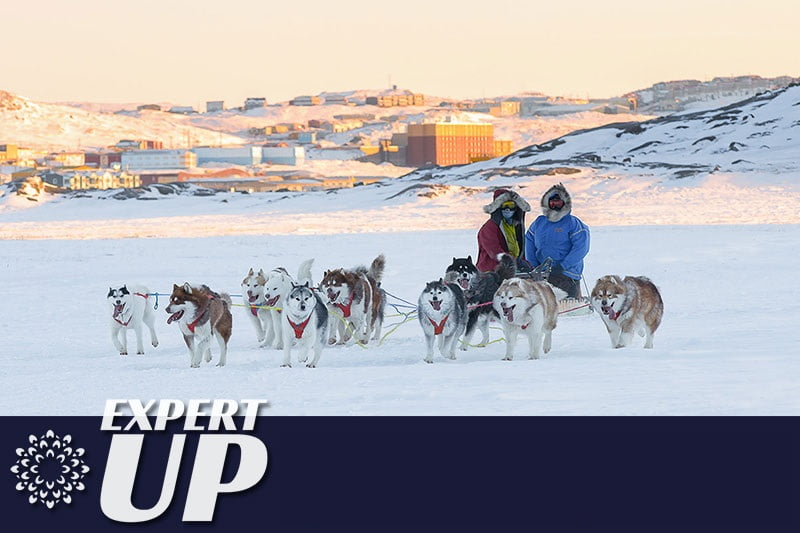
If you want to spend your day watching the melting polar ice and end your day with a cup of coffee, don’t miss visiting Nunavut. Nunavut is the largest and northernmost territory in Canada, separated from these regions in 1999. It might seem strange, but Nunavut, with its proximity to the North Pole, is known as one of the most remote regions in the world. In terms of population, this territory ranks second to last. The capital of Nunavut is Iqaluit, and in various cities, you can watch polar bears. Very old traditional carvings and tools left by the indigenous people of Nunavut are also displayed in the museums of this territory.
| Province Name | Nunavut |
|---|---|
| Capital | Iqaluit |
| Population | 40 thousand |
| Official Language | English |
| Climate | Cold winter, cool summer |
| Minimum Wage | $16 |
| Geographical Location | North |
| Major Cities | Iqaluit |
| Tourist Attractions | Traditional tools, historical remains, northern lights |
| Main Economic Sectors | Tourism, natural resources, fishing |
| Famous Universities |
Conclusion
For those considering immigration to Canada, we provided a complete introduction to the provinces of Canada. Understanding the living conditions in Canada and its various cities and provinces can be the first step in choosing Canada for immigration. At ExpertUP, we strive to offer the most comprehensive immigration services to those interested in entering Canada. For professional consultation services regarding work and startup immigration to Canada, you can use our free consultation services. Our main expertise at ExpertUP is in providing work immigration consultation services to Canada, and we take pride in it.